
Healthy Scalp for Hair Growth: The 8-Step Reset Protocol
Quick Summary: Stop greasing, start washing, and protect your roots like you protect your skin. Healthy hair isn’t a miracle; it’s a clean scalp environment.
🚀 The Scalp Reset: 30-Second Summary
- The Goal: To move from “clogged and itchy” to “clear and growing.”
- The Big Shift: Stop “greasing” the scalp; start hydrating the body.
- The Red Flag: If your scalp is flaky, your shampoo is likely too harsh (Sulphates).
- The Pro Move: Protect your part-line from the sun—scalp burns lead to shedding.
- The Growth Hack: 4 minutes of massage = increased blood flow to the roots.
Bottom Line: Treat your scalp like the skin on your face. Cleanse, protect, and don’t overload it with heavy “gunk.”
We unpack by discussing the following:-
*Pssst, see our Ultimate Guide to Natural Hair and Dry Scalp.
Why Scalp Care is the “New” Hair Care
 For years, the natural hair community focused entirely on the hair strands—moisturizing the ends, sealing the cuticles, and length retention.
But in 2026, we know better. Your hair is a fibre, but your scalp is living tissue. If the environment is clogged, inflamed, or dehydrated, no amount of expensive deep conditioner will make your hair grow.
To truly understand this connection, check out our deep dive on Healthy Hair and your Scalp.
Ready to reset? Here is your 8-step protocol for a thriving scalp.
8 Essential Habits for a Healthy Scalp for Hair Growth
1. Cleanse Your Scalp More Often
The “less is better” wash rule is outdated and, for many, actually harmful. If you use gels, edge controls, and butters, you need to cleanse more often to prevent “scalp film.” A clean follicle is a productive follicle.
• The Nahazone Pro-Tip: If you workout or sweat heavily, consider a mid-week “co-wash” or a botanical scalp rinse to keep salt buildup at bay.
2. Ditch Heavy Scalp Oils
Heavy oils like castor, or solid butters like coconut and shea, often sit on top of the scalp, trapping bacteria and heat. This can lead to seborrheic dermatitis or “malassezia” (fungal overgrowth).
If you notice your scalp feels greasy rather than hydrated, you’ll want to read more about Why you have an oily scalp and how to treat it.
• The Hack: Apply your heavy oils and sealants to the ends of your hair. Keep the skin of your scalp clear so it can breathe and regulate its own sebum.
3. Massage Your Scalp Regularly
Massaging your scalp for just 4 minutes a day isn’t just “relaxing”—it mechanically stimulates blood flow to the hair bulb. Increased circulation means more oxygen and nutrients are being delivered directly to your growth center.
• The Nahazone Pro-Tip: Use a silicone scalp brush during your shampoo to gently exfoliate dead skin cells while you massage.Regularly massaging your healthy scalp for hair growth increases circulation to the follicles.
4. Do Not Wear Too Tight Hairstyles
If it hurts, it’s harming. Tight styles pull on the follicle, causing inflammation. If your scalp feels “sore” after taking down braids or a “sleek” ponytail, you’ve likely caused micro-tears in the skin. If ignored, this constant tension can lead to Traction Alopecia and Bald Edges.
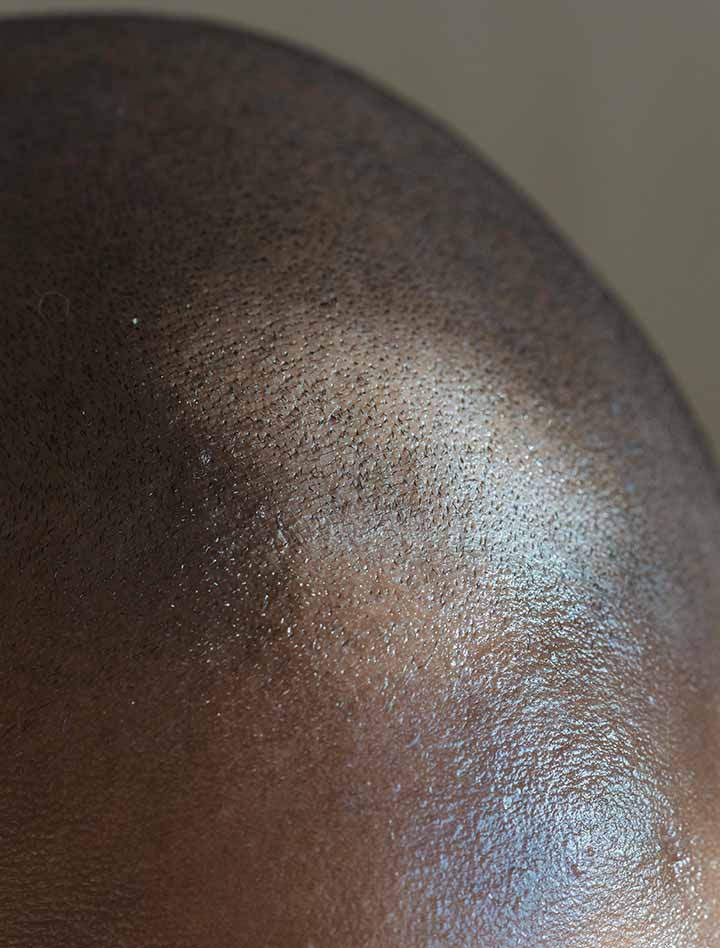 According to the American Academy of Dermatology, constant pulling from tight styles is a leading cause of preventable hair loss in the natural hair community.
• The Hack: If you see “tension bumps” (little white or red bumps) around your hairline, take the style down immediately. No hairstyle is worth your edges!
5. Drink More Water
Your scalp is skin. When you are dehydrated, your body is smart—it directs water to your vital organs (heart, brain, lungs) first, leaving your scalp dry and flaky.
Hydration is the secret to maintaining a healthy scalp for hair growth, as water keeps the skin supple
• The Science: Aim for 2–3 litres of water a day. Internal hydration creates “bouncy” skin and a more elastic scalp environment that supports healthy hair shedding and regrowth.
6. UV Protection (The Most Overlooked Step)
Sun damage can actually age your hair follicles and weaken the protein structure of the hair emerging from the scalp. If you have a visible part line or wear braids, the sun can cause “scalp burn,” leading to premature shedding.
• The Hack: On beach days or long walks, wear a silk-lined sun hat or use a lightweight, non-greasy scalp SPF spray.
7. Watch the pH: Ditch Sulphates
Sulphate shampoos (like Sodium Lauryl Sulphate) have a high pH that “blows open” the hair cuticle and aggressively strips the scalp’s acid mantle. This extreme dryness makes you susceptible to dandruff and irritation.
• The Nahazone Pro-Tip: Look for “Sulphate-Free” on the label. Ingredients like Decyl Glucoside are much gentler and keep your scalp’s moisture barrier intact.
8. End the Product Pile-Up
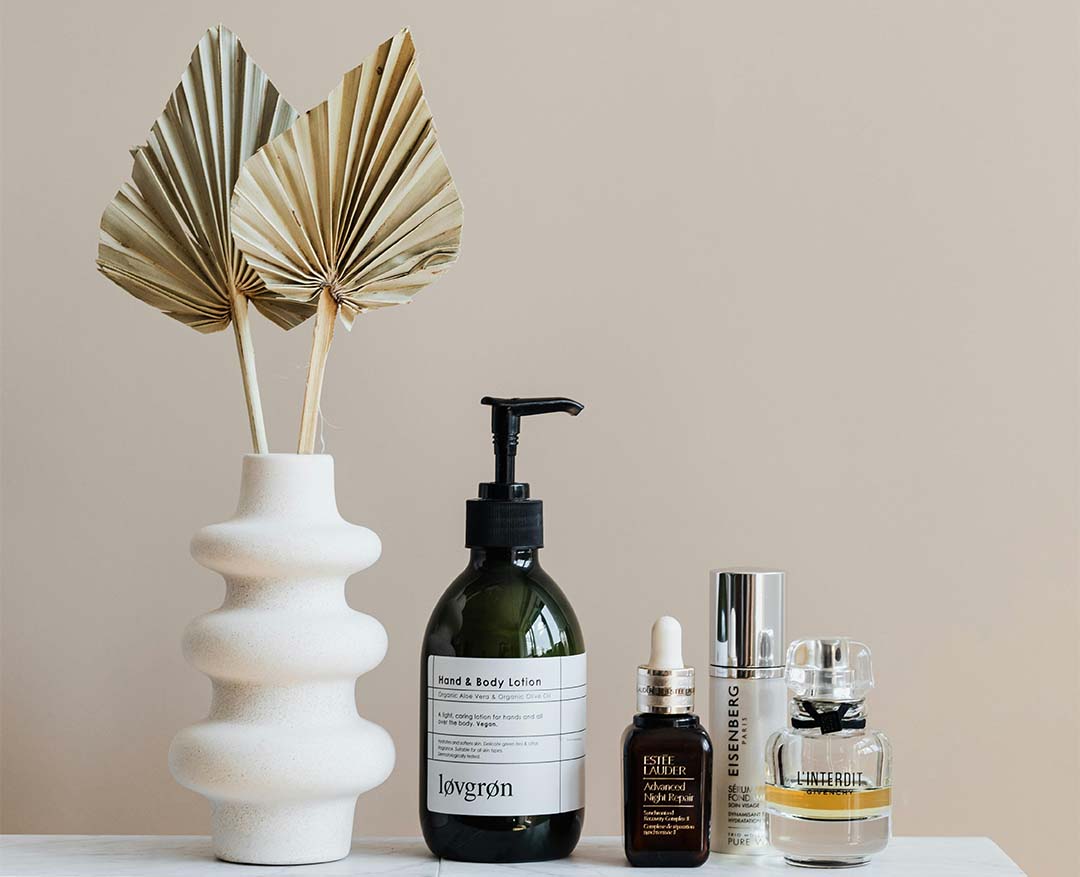 Stop applying leave-in conditioner and styling creams to your roots! These products are formulated for the hair fibre, not the skin. Keep the 1–2 inches closest to your scalp clear of “gunk.”
• The Hack: When styling, apply product from the mid-shaft down to the ends. Your natural sebum will naturally travel down far enough to cover the hair closest to the scalp.
Frequently Asked Scalp Questions (FAQ)
Q: Is dandruff the same as a dry scalp?
A: Not usually! Dry scalp is just a lack of moisture. Dandruff is often an overgrowth of yeast that feeds on excess oil. If you add more oil to dandruff, you might actually be “feeding” the problem. Cleanse first!
If you’re dealing with flakes, try these effective home remedies for dandruff.
Q: How do I know if my scalp is healthy?
A: Look for a scalp that is clear of flakes and redness.A healthy scalp is a consistent color (no angry red patches), feels “loose” and mobile when you move it with your fingers, and is free of persistent itching or tenderness.
Stay gorgeous, stay natural. Until next time, happy naturaling!
