
Common FAQs about Hair Growth & Vitamin D
Catch up on some of the common FAQs on hair growth and vitamin D levels.
This information is key for achieving your natural hair goals, as well as ensuring the overall health of your hair.
We discuss the following:-
*Pssst, Catch up on some Facts About Vitamin D and Hair Health..
1. What is the connection between hair health and Vitamin D?
 Vitamin D binds to the cells in your hair follicles called keratinocytes to: –
- Stimulate new hair follicles;
- Maintain the thickness and strength of your hair;
- Activate and keep your hair in the growth phase for longer; and
- Supports scalp health and circulation of blood for hair growth.
In essence, vitamin D is extremely key for hair growth.
2. How do low Vitamin D levels affect your hair?
When your vitamin D levels are low, the following happens: –
• Your hair growth phase is shortened;
• The resting phase of your hair is lengthened leading to more shedding;
• The overall thickness and strength of your new growth is reduced; and
• Your hair follicles are weakened, making them more prone to breakage from manipulation.
In a nutshell, vitamin D deficiency can cause thin, brittle hair.
3. What hair specific symptoms affect people with low Vitamin D?
 The hair symptoms of low Vitamin D are: –
• Thinning hair;
• Visible scalp;
• Reduced thickness and volume of hair;
• Brittle, breaking hair;
• Excessive shedding;
• Slowed hair growth.
4. What are other symptoms of low Vitamin D?
In addition to thinning hair, you will experience low energy levels, depression, mood swings and sadness, lack of memory and concentration, slow wound healing, frequent infections and illness as well as muscle spasms and weakness.
5. How can you check your Vitamin D levels?
You can check your vitamin levels by having your blood levels checked by a medical practitioner.
This needs to be tested periodically, to make sure that you maintain healthy vitamin D levels.
6. Who is at risk for low Vitamin D / Vitamin D deficiency?
Amongst other risk groups, people with darker skin are at risk for vitamin D deficiency as they require longer sun exposure to maintain optimal levels.
This is especially true of dark-skinned people living in colder climates.
7. Can you treat Vitamin D deficiency?
Yes, you can treat this deficiency.
8. How can you treat Vitamin D deficiency?
 You can treat this deficiency in increasing the levels of vitamin D in your body through: –
1. Regular sun exposure;
2. Nutrition; and
3. Supplements.
9. Can you get your Vitamin D from sunlight coming through the glass when you are indoors?
No, you have to be outdoors. This is because the UVB rays cannot penetrate through glass to enter your skin.
10. Does my skin need to be bare or can the UVB rays pass through my clothes?
To get your daily Vitamin D, your skin has to be bare. This is because the UVB rays cannot pass through clothes either.
11. Will sunscreen affect the absorption of Vitamin D by my skin?
Yes, too much sunscreen / sunscreen with a high SPF will reduce the rays that penetrate your skin. A good hack is to get your daily exposure before putting on your sunscreen.
12. Does the amount of skin exposed determine how much Vitamin D is produced?
This is correct. The more skin that is exposed to the sun, the more Vitamin D that will be produces. It is recommended that you expose large areas of skin such as your back, shoulders and legs.
13. When are UVB rays strongest?
UVB rays are strongest between 10am and 2pm.
14. What is the optimal length of sun-exposure?
This is dependent on a number of factors, such as skin tone, location, age, season of the year, amount of skin exposed and the time of sun exposure.
15. How does skin tone affect the product of Vitamin D?
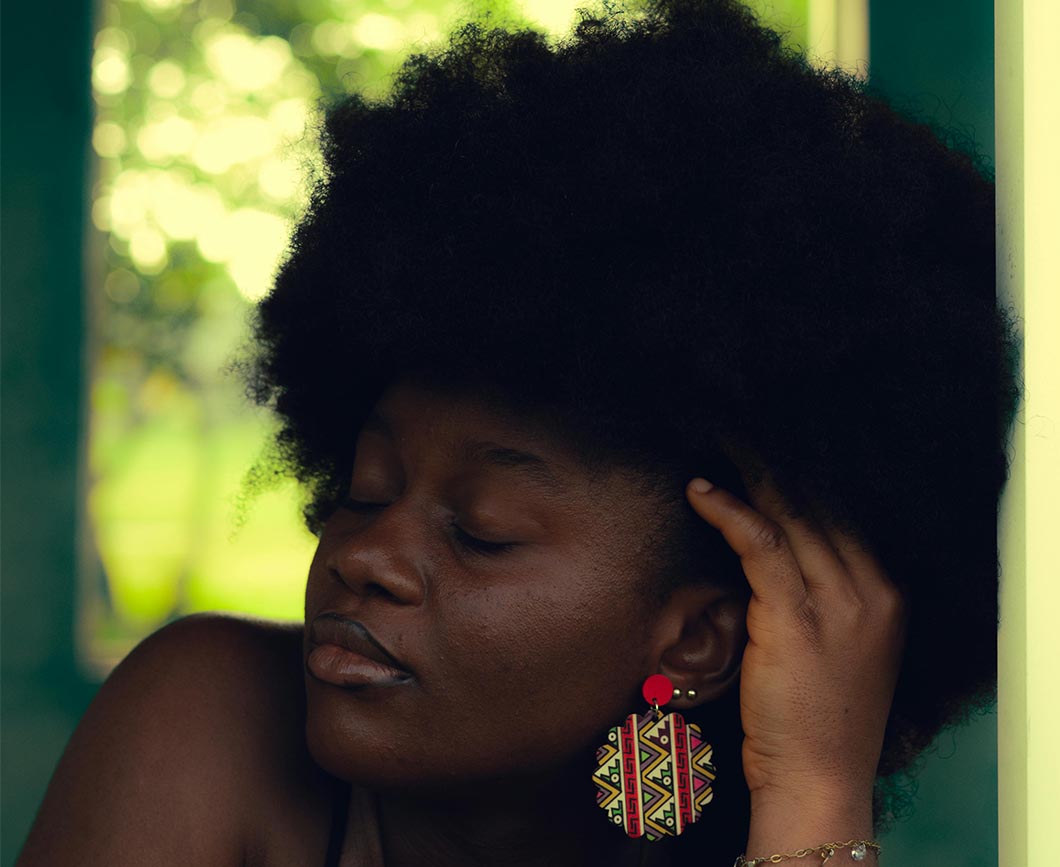 Darker skin contains more melanin – this is a pigment that naturally filters ultraviolet (UV) radiation. Because of this ‘natural sunscreen’, less UV light is absorbed by darker skinned people compared to lighter skin.
16. Can your body produce excess Vitamin D?
Your body cannot produce excess vitamin D from the sun. Once your optimum levels of Vitamin D have been reached, then the body stops producing the vitamin.
It can however produce excess vitamin D if your take excessive Vitamin D supplements.
17. How does age affect the production of Vitamin D?
Our skin’s ability to make vitamin D reduces as we age, and this means that as you age, you will need longer sun exposure to achieve the same vitamin D levels.
18. Is there such a thing as too much sun exposure?
Yes. Too much sun exposure not only leads to sun burn, but it also increases your risks for skin cancer. Enjoying the sun in moderation is key.
19. Does the amount of UVB rays change throughout the year?
Yes. It can also change throughout the days.
Factors that affect it are how far you are from the equator, the amount of cloud cover, time of the day, reflection on surfaces (snow or water), as well as air pollution.
Have you learnt something new? Have you suffered from low Vitamin D levels at any point in your life? How did you manage this condition? Share your experience and thoughts in the comments below.
And until the next time, gorgeous ladies, happy naturaling!
